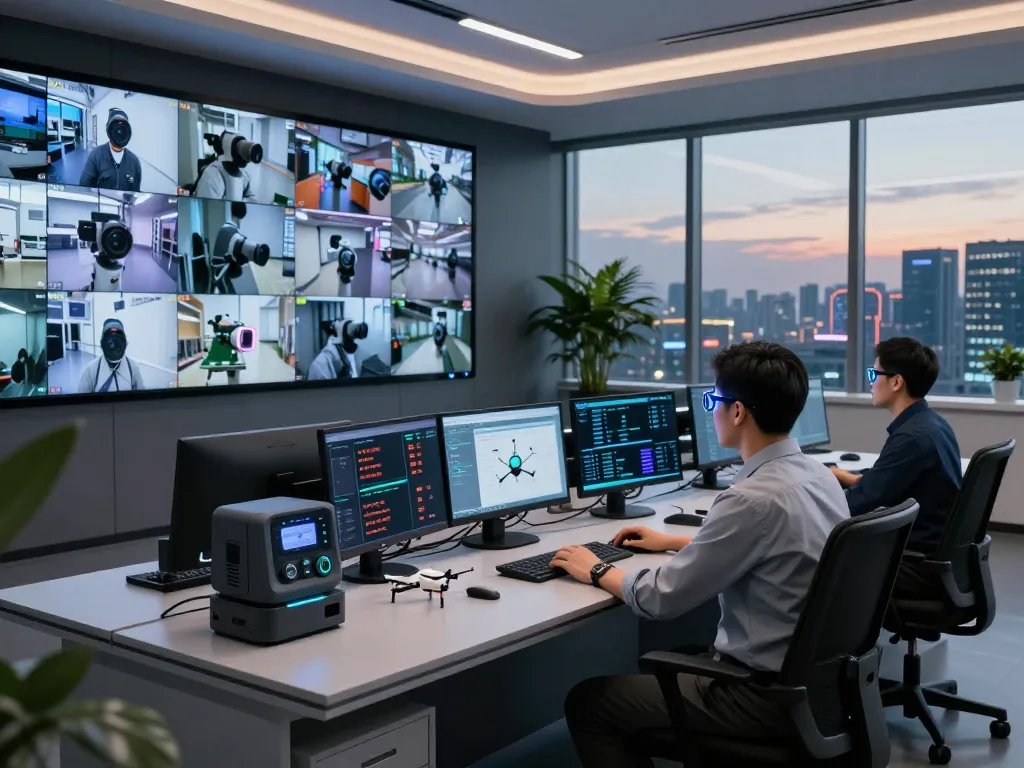
Understanding HD4D Technology
The world of surveillance technology is constantly evolving, and among the most innovative advancements is the HD4D camera. This sophisticated system is designed to offer high-definition video quality and versatile performance, particularly in challenging lighting conditions. With its True Day/Night capabilities, the HD4D seamlessly transitions from color to black and white, ensuring clear visibility at all times. When exploring options, HD4D provides comprehensive insights into modern security solutions that can cater to various commercial and residential needs.
What is HD4D and Its Key Features?
HD4D stands for High Definition 4 Day/Night surveillance system, a technology that utilizes advanced imaging sensors to deliver crisp, clear footage regardless of the time of day. Its key features include:
- True Day/Night Functionality: Automatically switches from color to black and white mode based on ambient light conditions, ensuring optimal image quality.
- High Resolution: Typically utilizes high-definition CCD sensors, providing detailed images that are crucial for identifying individuals and objects.
- Durability: Designed to withstand harsh environments, many HD4D cameras come with rugged casings that protect against dust and moisture.
- Infrared (IR) Technology: Equipped with IR capabilities for night vision, allowing for surveillance even in complete darkness.
- Flexible Installation: Available in various form factors, including dome and bullet styles, making them suitable for diverse installation environments.
Advantages of Using HD4D Cameras
Integrating HD4D cameras into security systems comes with numerous advantages:
- Enhanced Image Quality: The high-definition resolution provides clear images, facilitating better recognition and identification.
- Cost-Effective Surveillance: With their ability to function effectively in varying light conditions, HD4D cameras reduce the need for additional lighting and associated costs.
- Improved Security Monitoring: The automatic switching capability ensures that footage remains clear at all times, making it easier to monitor and review recorded material.
- Versatility: Ideal for various applications, including commercial, retail, and residential surveillance.
Comparing HD4D with Other Surveillance Technologies
While there are numerous surveillance technologies available today, HD4D stands out in several ways:
- HD4D vs. Traditional CCTV: Traditional CCTV cameras may struggle with low-light conditions, whereas HD4D’s True Day/Night feature ensures optimal clarity.
- HD4D vs. IP Cameras: Though IP cameras offer flexibility and remote access, HD4D provides simpler installation and robust performance in varied lighting without needing extensive network infrastructure.
- HD4D vs. Analogue Systems: Analogue systems often lack the clarity and detail of HD4D, making the latter a better choice for serious security needs.
Implementation of HD4D in Business Security
The deployment of HD4D cameras in business security is a strategic move that enhances safety and surveillance effectiveness.
Setting Up HD4D Systems in Commercial Spaces
When setting up HD4D systems in commercial spaces, it's essential to consider lighting, camera placement, and coverage areas. Proper positioning—such as at entrances, exits, and high-traffic areas—can maximize the effectiveness of the surveillance system. Additionally, using a combination of stationary and movable cameras can help monitor blind spots effectively.
Best Practices for Integrating HD4D into Existing Infrastructure
Integrating HD4D into existing security infrastructure requires careful planning and execution. Here are some best practices:
- Assess Current Systems: Evaluate existing security measures to identify gaps that HD4D cameras can fill.
- Seamless Integration: Use compatible hardware and software to ensure smooth implementation, minimizing disruptions to ongoing operations.
- Regular Training: Provide training for personnel on how to effectively use and maintain the HD4D systems.
Real-World Success Stories of HD4D Implementation
Businesses across various industries have successfully implemented HD4D systems. For instance, a retail chain reported a 30% decrease in theft rates after installing HD4D cameras, primarily due to the improved image quality and enhanced ability to monitor suspicious activities. Similarly, a manufacturing facility noted increased operational efficiency and reduced downtime associated with security breaches through HD4D integration.
Maximizing the Performance of HD4D Solutions
To ensure that HD4D systems perform optimally, regular maintenance and strategic settings adjustments are vital.
Regular Maintenance and Upgrades of HD4D Cameras
HD4D cameras require routine maintenance to function effectively:
- Regular Cleaning: Keeping the camera lenses free from dirt and obstructions ensures clear video feeds.
- Software Updates: Periodically updating the firmware can provide new features and enhance security.
- System Checks: Regular inspections of camera placements and functionalities prevent unnecessary downtimes.
Utilizing AI and Analytics with HD4D Cameras
Incorporating AI tools can significantly enhance the capabilities of HD4D cameras. Features like motion detection, facial recognition, and behavior analysis can provide valuable insights that support proactive security measures. By analyzing trends and patterns in recorded footage, businesses can make informed decisions to improve safety protocols.
Tailoring HD4D Settings for Various Environments
Different environments have unique surveillance needs. Tailoring HD4D camera settings—such as sensitivity adjustments for motion detection, image quality settings, and recording schedules—can optimize performance. For instance, cameras in high-traffic areas may need higher sensitivity to capture movements accurately, while those in low-traffic settings can be adjusted to reduce false alarms.
Future Trends in Surveillance and the Role of HD4D
As technology continues to evolve, so will the role of HD4D systems in the realm of surveillance.
Emerging Technologies Impacting HD4D Systems
Future advancements will likely include enhanced integration with IoT devices, machine learning algorithms for predictive analytics, and improved connectivity features for remote monitoring. Such technologies will create smarter, more responsive surveillance ecosystems that adapt to user needs.
The Evolution of Security Protocols with HD4D
With increasing cybersecurity threats, HD4D solutions will evolve to incorporate stronger encryption protocols, ensuring that surveillance data remains secure against unauthorized access. This evolution is crucial in fostering trust among businesses that depend on these systems for safety and security.
Predictions for HD4D Technology in 2026 and Beyond
As we approach 2026, we can expect HD4D technology to become even more sophisticated. Anticipated developments include enhanced AI capabilities for analytics, greater cloud integration for storing and retrieving footage, and improved interfaces for user interaction. The advancement of HD4D will revolutionize how security systems operate, offering unparalleled protection in various environments.
Common Challenges and Solutions with HD4D
While HD4D systems provide numerous benefits, they also come with challenges that need addressing.
Addressing Misconceptions about HD4D Cameras
Common misconceptions include the belief that HD4D cameras are too complex to set up or that they require extensive knowledge of networking. In reality, the installation can often be straightforward, and manufacturers typically provide comprehensive support. Training staff can further alleviate concerns about technology integration and usability.
Troubleshooting Common Issues with HD4D Systems
Some common issues with HD4D cameras might include image distortion or connectivity problems. To troubleshoot:
- Check Connection: Ensure that all cables are securely connected and that the network is functioning properly.
- Adjust Camera Settings: Verify that the settings are appropriately configured for the environment.
- Consult Manufacturer Support: Leverage technical support from manufacturers for complicated issues beyond basic troubleshooting.
Expert Tips for Overcoming Implementation Hurdles
To streamline the implementation of HD4D systems, consider the following expert tips:
- Plan Thoroughly: Conduct a comprehensive assessment to determine the best locations for camera installation.
- Engage Experts: Collaborate with security professionals to ensure optimal setup and integration.
- Continuous Learning: Stay updated on the latest advancements in HD4D technology to take full advantage of emerging features.